Diesel at Rs 520, Petrol at Rs 458: Pakistan’s Inflation Crisis Deepens
Total Views |


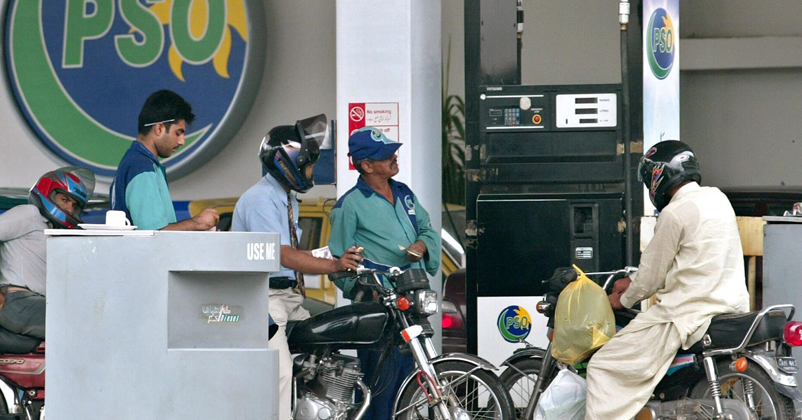
Pakistanis are once again facing the heat of rising inflation as fuel prices have been sharply increased for the second time in less than a month, putting further pressure on an already struggling economy.
In a fresh revision, the government has significantly raised petroleum rates, with diesel prices jumping by 54.9% to 520.35 Pakistani rupees per litre, while petrol has surged by 42.7%, now costing 458.40 Pakistani rupees per litre. The new prices have come into effect from Friday, leaving citizens to brace for yet another wave of price shocks.
The decision, as expected, has been linked to rising global oil prices amid tensions in the Middle East. Petroleum Minister Ali Pervaiz Malik defended the move, stating, “It was inevitable to raise the prices due to the international market prices going out of control after the US-Iran war,” during a joint press conference with Finance Minister Muhammad Aurangzeb.
Interestingly, this is not the first time Pakistanis have been told to `adjust’ in recent weeks. Just last month, fuel prices were hiked by around 20%, again citing global oil trends linked to the ongoing US-Iran conflict and regional instability.
With Pakistan heavily dependent on imported oil; mainly from Gulf countries and transported via the crucial Strait of Hormuz- such price shocks quickly translate into domestic inflation. And as fuel costs rise, so does the cost of transport, food, and basic necessities.