From Water Shortage to Flood Threat: Pakistan Worried After India’s Indus Treaty Move
Total Views |


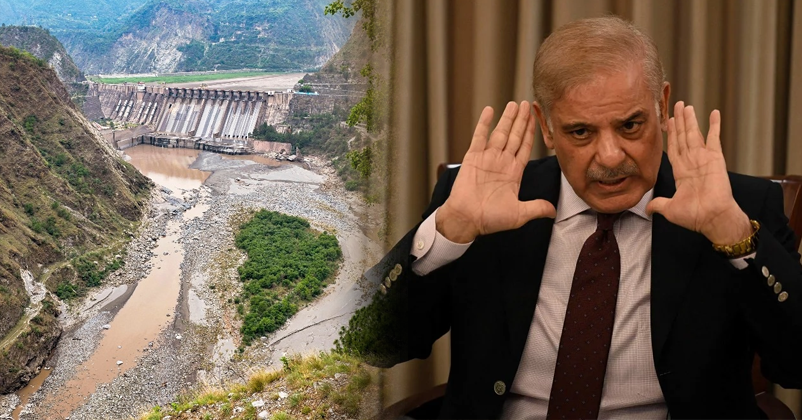
Pakistan’s growing concern over the suspension of the Indus Waters Treaty by India was visibly reflected during a recent media briefing by the Ministry of External Affairs (MEA), where Pakistani journalists appeared anxious while raising questions over the future of water sharing between the two countries.
During the briefing, a Pakistani journalist expressed concern over the worsening water situation in Pakistan and the possible impact of the upcoming monsoon season. The journalist said, “There is a shortage of water in our country…heavy rains could bring devastation… do we have any option left with India?”
Pakistan is now facing dual worries - on one hand, the country is struggling with water scarcity, while on the other, fears are growing that excessive release of water during the monsoon season by India could worsen flood-like situations in several regions.
#Watch : 'इंडस ट्रीटी पर पाकिस्तान के पास क्या विकल्प...?'
— Jammu-Kashmir Now (@JammuKashmirNow) May 23, 2026
पाकिस्तानी पत्रकार ने अपनी हुकूमत पर दागे सवाल
पहलगाम हमले के बाद से ही भारत ने 'सिन्धु जल संधि' को पूरी तरह से स्थगित कर रखा है। पाकिस्तान लगातार IWT को बहाल करने के लिए तमाम बड़े देशों से गुहार लगा रहा है। हाल ही में… pic.twitter.com/zw77LMQmWk
The concerns come in the aftermath of the terror attack in Pahalgam, in which 26 people, mostly tourists were killed by Pakistani terrorists, following which India decided to suspend the Indus Waters Treaty with Pakistan.
India has made its position clear by stating that “blood and water cannot flow together.” Since then, Islamabad has repeatedly raised the issue at various platforms, fearing serious consequences for its water security.
The Indus Waters Treaty was an agreement between India and Pakistan signed in 1960 to share the water of the Indus river system. Under the treaty, India got control over the eastern rivers Ravi, Beas and Sutlej, while Pakistan received most rights over the western rivers Indus, Jhelum and Chenab. Overall, India received about 20 percent of the total water in the Indus system, while Pakistan got around 80 percent.
The questions raised during the MEA briefing reflected the nervousness within Pakistani circles over the uncertainty surrounding the treaty and its possible impact on the country’s agriculture, drinking water supply, and flood management system.