India Tears Into Pakistan at UNHRC: ‘Neither Terror Nor Theatrics Will Repay Loans’
Total Views |


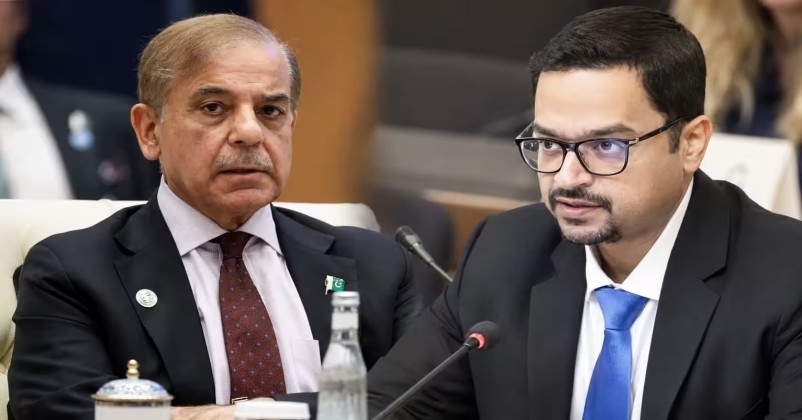
India tore into Pakistan at the UN Human Rights Council, rejecting its allegations on Jammu and Kashmir and minority rights and taking a sharp dig at Islamabad, saying Pakistan should focus on developing its own country instead of coveting others territory or exporting terror, as neither these nor its theatrics at the Council will help repay the loans its economy survives on.
India exercised its right of reply after Pakistan raised allegations concerning Jammu and Kashmir, minorities and alleged human-rights violations in India, including references to temples and the situation in the Kashmir Valley.
Responding sharply, Indian diplomat Kshitij Tyagi said, “India exercises its right of reply in response to Pakistan’s extraordinary combination of historical revisionism, invented statistics and sectarian insinuation.”
“Since Pakistan appears to need the reminder under every agenda item: Jammu and Kashmir was, is and will always remain an integral and inalienable part of India. The only part of Jammu and Kashmir under foreign occupation is the part Pakistan holds, which we again call upon it to vacate,” Tyagi said.
Taking a swipe at Pakistan’s references to religious places, he said, “Among the grievances Pakistan listed, it included temples, in the same breath as liquor shops. We will not dignify the claim itself. But the Council should note what it reveals: a State that counts a place of worship as evidence of a crime.”
Tyagi then turned Pakistan’s minority-rights allegations back on Islamabad, saying India is home to one of the world’s largest Muslim populations and that its minorities “vote, legislate, sit on our highest court and lead our institutions.”
“In Pakistan, Hindu, Sikh and Christian communities have shrunk drastically since independence. Their daughters are abducted, forcibly converted and married off. Blasphemy laws hang over every minority household,” he said, adding that Pakistan’s Muslim minorities, including Shias, Ahmadiyyas, Ismailis and Hazaras, face systemic persecution and their places of worship are attacked and desecrated. A State with that record is in no position to lecture anyone on minorities.”
On Pakistan’s allegations of ethnic cleansing in the Kashmir Valley, Tyagi said the Council did not need Pakistan to explain the issue, referring to the 1990 exodus of Kashmiri Hindus. He accused Pakistan of having armed, trained and sent terrorists across the border and said those terrorists had subsequently killed Kashmiris of different faiths, including Muslims.
“The State that sponsored them is now asking this Council for an inquiry. The irony will not be lost on this Council,” Tyagi said.
Turning the spotlight towards Pakistan-occupied Jammu and Kashmir, Tyagi said the Council had been told about civilians allegedly killed since June in the territory, students arrested in Islamabad and Rawalpindi, and food and medicine being held back. He added that when those allegations were raised, Pakistan’s response was a point of order.
“If any delegation in this room meets every objective criterion for this Council’s scrutiny, it is Pakistan,” he said.
In a final message, Tyagi said “Pakistan would better serve its people by focusing on development rather than coveting territory of others or exporting terror, because neither these, nor its theatrics in the Council, would help repay the loans its economy survives on.”