Under deepening economic and political crisis, Pakistan may go default
| 08-Jun-2022 |
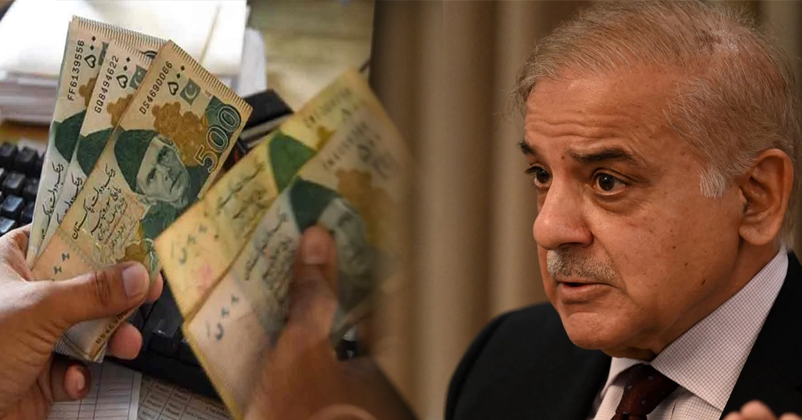
End to Pakistani's economic crisis doesn't seem near even after the formation of new government of Shahbaz Sharif. Well, last couple of weeks have been politically dramatic for Pakistan, the way Imran Khan was forced out on April 11 after a vote of no confidence.
Pakistan is suffering from political as well as economic crisis :-
The performance of the new government in Pakistan has been in a state of decision paralysis and it's struggling hard to find a place under its feet while ousted PM Imran Khan is holding rallies across Pakistan attacking the government's legitimacy and calling for fresh elections while calling it an ' imported' government and the new prime minister a 'crime minister'. Now , the country is in economic and political crisis.
Pakistan is rapidly widening its current account deficit coupled with an equally fast depleting foreign exchange reserves. Given the economy's dependence on imports- for both food and fuel, the rising global prices have resulted in an immense increase in the imports bill in Pakistan.
Bloomberg reported on Thursday, that the foreign exchange reserves of the State Bank of Pakistan had “decreased by $366 million in the week ended May 27 to stand at $9.72 billion.This marks a drop of nearly 50 per cent from last August and is “enough to pay for less than two months of imports.
In recent weeks, Pakistan has been making efforts to meet the IMF's conditions for securing a loan of $3 billion. This includes raising fuel and electricity prices.
Sky rocketed inflation:-
Pakistan Finance Minister declared the prices of fuel products. Petrol and diesel had been raised by Pakistani Rs 30. This is the second such increase in weeks. The latest increase takes the price of petrol to Pakistani Rs 209.86 and diesel to Pakistani Rs 204.15. It, however, led to an immediate political backlash from Imran Khan who said in a series of tweets that the fuel price hike was the highest in the country's history .
One Indian rupee is equal to 2.54 Pakistani rupees at current rates. Paki FM also announced power prices would be hiked by Rs 8 per unit from July 1 which may touch Rs 30 per unit. He acknowledged the price hikes would worsen inflation, but defended his actions, blaming the previous Imran Khan government. On the 28th of May this year, Finance minister admitted that the country had asked China, Saudi Arabia, the UAE and other countries for help.
And while they were ready to give Pakistan money, all of them said that Pakistan needed to go to the IMF first. The IMF has delayed giving Pakistan more money until the government scraps the fuel subsidies. And Shehbaz Sharif, has deferred raising prices despite the subsidies costing $600 million a month. The government has resisted angering a population already struggling to afford wheat and sugar.
Pakistan may go default :-
According to data from 13 countries compiled by Bloomberg, Pakistan is the worst performer in Asia, with its rupee dropping by almost 8% in the last month. The country is desperately negotiating a bailout package with the International Monetary Fund (IMF) and other countries to keep its economy afloat and avert a default. But getting an IMF loan comes with strict conditions, which Pakistan has found difficult to fulfill in the past. The current economic crisis in Pakistan is primarily attributed to its extensive spending on non-developmental and economically unviable projects.
Without a bailout from the International Monetary Fund, Pakistan may default. Pakistan's economy is on the verge of becoming Sri Lanka. Default is staring Pakistan in the face. And if it goes for default, there are chances of a civil war in the country keeping in view the current political turmoil wherein Imran Khan leaving no stone unturned to attack the incumbent govt.
For it's sky rocketed inflation and holding protests and rallies, demanding early elections whereas the country is already reeling under severe economic crisis and the govt. is already facing backlash from its people for increasing the prices of fuel, electricity and of almost every household item. What remains to b seen is how Pakistan manages these turbulent times since the next few months are going to b politically and economically explosive for the country.