December 8, 1971 | Operation Python: Indian Navy Strikes Karachi, Deals Major Blow to Pakistan
08 Dec 2025 22:21:39
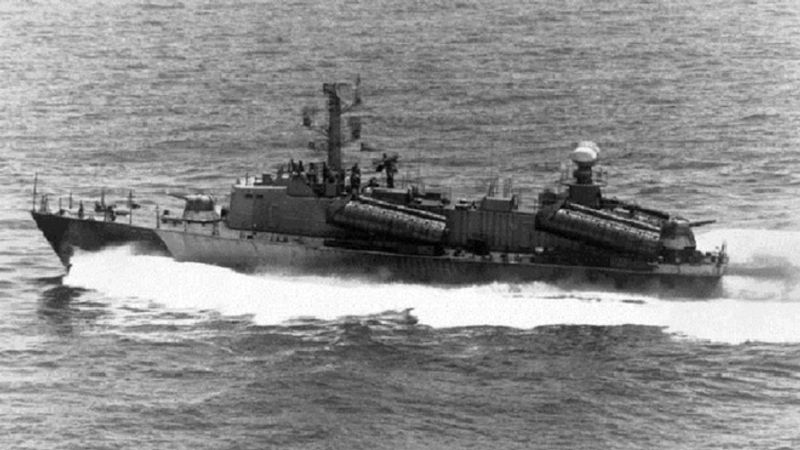
After the successful ‘Operation Trident’ on December 4 in the 1971 India-Pakistan war, the Indian Navy launched 'Operation Python' on December 8 to intensify pressure on Karachi.
Indian Navy's missile boats, supported by aircraft, targeted Karachi once again, causing further damage to Pakistan's naval assets and infrastructure. The Indian Navy also attacked the Pakistan oil storage facility at Keamari and inflicted significant damage. The Pakistani Navy suffered additional losses, including the destruction of a minesweeper.
While India suffered no losses, Pakistani fleet tanker PNS Dacca was damaged beyond repair, and the Kemari Oil Storage facility was lost. Two other foreign ships stationed in Karachi were also sunk during the attack.
Between Operations Trident and Python, and the Indian Air Force attacks on Karachi's fuel and ammunition depots, more than fifty percent of the total fuel requirement of the Karachi zone was reported to have been destroyed. The result was a crippling economic blow to Pakistan. The damage was estimated to be worth $3 billion, with most of the oil reserves and ammunition warehouses and workshops destroyed.
The combined success of OperationTrident and Operation Python severely crippled the Pakistani Navy's capabilities and disrupted their maritime trade through Karachi. These naval operations played a crucial role in the overall Indian strategy to weaken Pakistan during the India-Pakistan War of 1971.
The naval blockade limited Pakistan's ability to reinforce its troops in the East, contributing to the eventual surrender of Pakistani forces in Bangladesh. These naval operations significantly influenced the course of the conflict and contributed to the creation of Bangladesh. The Indian Navy's successful execution of these operations demonstrated the importance of naval power in modern warfare.